Overview
 The
SUCCEED Apprenticeship Program seeks to develop and evaluate activities and support mechanisms that move students from an
excitement for computational science and information technology (IT) to having
experience and developing
expertise. Students learn one or more areas of computational science and associated use of technologies,
techniques, and tools of IT, within the context of STEM.
The
SUCCEED Apprenticeship Program seeks to develop and evaluate activities and support mechanisms that move students from an
excitement for computational science and information technology (IT) to having
experience and developing
expertise. Students learn one or more areas of computational science and associated use of technologies,
techniques, and tools of IT, within the context of STEM.
The program has made significant progress in developing and evaluating a methodology for bridging this excitement-expertise gap for upper-middle and high school students.
Participants
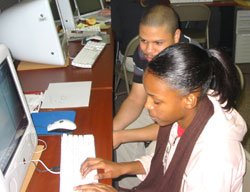
The SUCCEED Apprenticeship Program draws students from diverse backgrounds to STEM fields through its dynamic, hands-on learning experience. Below are some details about our participants:
- They are usually rising 9th-12th graders
- Each apprentice spends approximately 300 hours in the program over the course of one year
- Apprentices are recruited from Shodor SUCCEED Scholars Program Workshop, from other Shodor summer workshops, and some contact us because of word-of-mouth!
- Students are interviewed and admitted based on their interests in STEM (Science, Technology, Engineering, and Mathematics) and parents sign a contract committing their support for their student's participation in the project.
Program Structure and Curriculum
| School Year | Summer | |
| Time commitment |
|
|
| Students Must |
|
|
Throughout the year, all students additionally:
- Improve math skills using computational tools
- Improve writing skills by completing weekly journals to reflect on what they have learned
- Improve communication skills through regular discussions with their mentor and through oral presentation
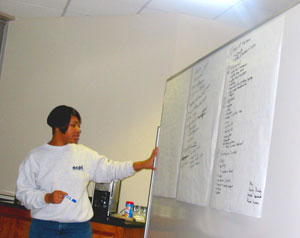
Skills Learned
- Programming (Javascript, PHP, MySQL)
- Databases
- Responsive Web Design
- Agent Modeling
- Systems Modeling
- Modeling with Excel
- Systems Administration
- Parallel Computing
- Verification and Validation
- Graphics
- Math Skills