|
|
|
|
|
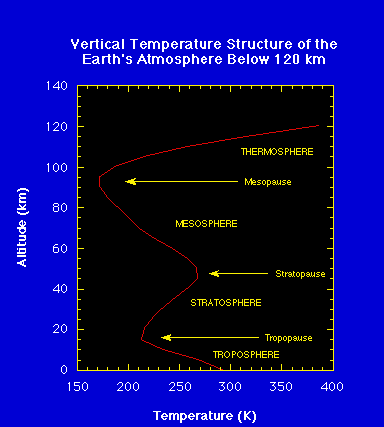
Vertical temperature structure
The graphic above right (click on image to see larger) shows the changes in temperature as a function of height. Notice particulary that the lapse rate is negative (getting colder) in the troposphere, until the tropopause is reached. A temperature inversion (increase in temperature with height) is the way we recognize strong stability. Temperature inversions trap emissions (primary pollutants) and products such as ozone (a secondary pollutant) nearer to the ground. For example, the two graphics below show the normal decrease in temperature with increasing height (shown on the left) and an inversion (shown on the right), in which there is a temporary increase in temperature before it returns to a decreasing slope:
 
You might also notice in these diagrams, that the temperature begins to increase around 10 km. As in the larger graphic at the top of the page, this signifies the beginning of the tropopause. Confused? Have a question? If so, check out the Frequently Asked Questions (FAQ) page or send mail to the OS411 tutor (os411tutor@shodor.org) with your question! Report technical/content problems here |

|